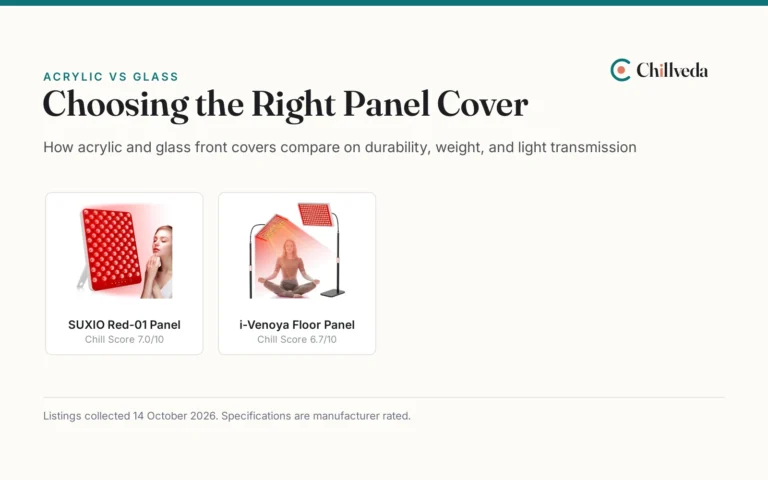
Short answer
Does acrylic block red or near-infrared light?
Clear optical-grade acrylic transmits both 660 nm red and 850 nm near-infrared wavelengths with minimal optical loss across these bands. Consumer red light panels use clear acrylic shields to protect delicate LED diodes from dust and contact without blocking light delivery. Proper diode positioning and clean surfaces ensure the panel emits light as designed.
Setting up an evening recovery session in your bedroom or home office comes down to equipment you can safely position near a wall outlet and store without fuss. When choosing between an acrylic vs glass red light panel, acrylic is the practical choice for most homes because it is lightweight, shatter-resistant, and transmits 660 nm and 850 nm wavelengths efficiently without the breakage risk of heavy glass. Glass front panels offer superior scratch resistance and rigidity, but they add substantial weight, increase fragile handling risks, and are rarely found on compact consumer units.
This guide breaks down how front cover materials affect optical transmission, heat management, daily durability, and cleaning routines, followed by two acrylic-shielded panels compared from published maker specs. Listings were collected 14 October 2026.
This article is informational and is not medical advice. Red and near-infrared light devices emit intense optical energy. Never look directly into the LEDs, and always use appropriate protective eyewear during sessions. Consult a healthcare provider before using light therapy if you are pregnant, have light sensitivity, take photosensitizing medications, or have suspicious skin lesions. See our Medical Disclaimer.
Chillveda earns a commission when you buy through links on this page, at no extra cost to you. As an Amazon Associate I earn from qualifying purchases. Affiliate disclosure.
Quick picks
-
1
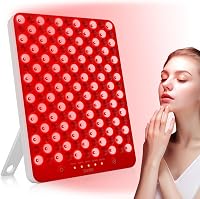 SUXIO Red Light Therapy lamp Chill Score 9.5/10Check price on Amazon
A compact 24 watt red light panel with 165 LEDs, an acrylic shade, five timer modes, and a stated 2 year warranty.
-
2
 Red Light Therapy for Body Chill Score 9.4/10Check price on Amazon
A 50 watt floor-standing red light panel featuring 150 LEDs, an acrylic shade, and an adjustable stand.
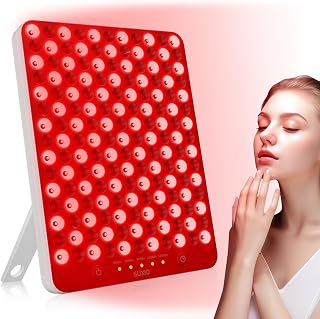
A compact 24 watt red light panel with 165 LEDs, an acrylic shade, five timer modes, and a stated 2 year warranty.
Pros & ConsViewHide
Pros
- 165 LEDs with 660 nm red and 850 nm near infrared wavelengths
- 2 years warranty and 90 days refund stated in spec table
- Lightweight build at 4.8 ounces with 90 degree bracket
- Built-in touch controls with 5 timer modes
Cons
- Spec table contradicts itself listing outdoor use while noting it is not water resistant
- Listing confusingly states 42 pieces for a single light unit
- No safety certifications stated
- Small coverage area measuring 6.7 by 5.1 inches

A 50 watt floor-standing red light panel featuring 150 LEDs, an acrylic shade, and an adjustable stand.
Pros & ConsViewHide
Pros
- Floor mount design includes adjustable pole, bendable tube, and stable base
- 150 LEDs delivering dual 660 nm red and 850 nm near infrared wavelengths
- Higher listed output at 50 watts
- Reflecting cups designed to focus light spread
Cons
- No warranty term is stated
- Spec table errantly lists bulb base as E26 Medium for a panel device
- No safety certifications stated
- Heavier setup weighing 5.62 pounds
More to compare
 Translucent Acrylic Sheet 1/8 ThickCheck price on Amazon
 Red Cast Acrylic Sheet 12 x 16 x 1/8 Inch 3mm PlexiglassCheck price on Amazon
Comparing acrylic vs glass red light panel construction
| Material property | Acrylic panel cover | Glass panel cover |
|---|---|---|
| Impact resistance | Resilient against minor drops and everyday bumps | Brittle and vulnerable to cracking or shattering |
| Weight profile | Lightweight for stands, doors, and travel mounts | Heavy, demanding reinforced mounting hardware |
| Surface durability | Susceptible to fine scratches from coarse towels | Highly scratch-resistant against routine contact |
| Cleaning routine | Requires soft microfiber with mild soap and water | Compatible with standard glass cleaners |
| Heat tolerance | Stable at standard LED panel operating levels | High thermal tolerance across extreme temperatures |
| Common application | Standard on portable and consumer panel models | Found on select heavy-duty or commercial units |
The physical distinction between acrylic and glass centers on mechanical resilience versus surface hardness. Clear acrylic flexes slightly under minor impact rather than shattering, making it forgiving during routine room adjustments. Tempered glass provides a harder surface that resists scratching from dust or jewelry, but a sudden impact or point load can crack or fracture the pane.
Light transmission and optical clarity
A frequent question with red light therapy is whether an acrylic shield impedes light delivery. Clear optical acrylic and low-iron glass both provide high optical transmission across visible red light at 660 nm and near-infrared light at 850 nm. At these specific wavelengths, transmission losses through thin protective covers remain minimal. Our guide to red light wavelengths explains what these nanometer ratings mean across the light spectrum.
Surface reflection and diode placement influence light delivery far more than the cover material alone. Some designs, including the i-Venoya panel below, incorporate reflecting cups around individual diodes to help direct light forward. When paired with a clear acrylic face, internal components remain shielded from dust, moisture, and accidental contact while light passes through cleanly.
Durability, weight, and mounting considerations
Weight dictates where and how you can position a red light panel. Glass is substantially denser than acrylic, meaning a glass-fronted panel requires a heavier frame and sturdier mounting hardware. For tabletop stands, door hooks, and mobile floor stands, lighter acrylic construction minimizes tipping hazards and simplifies height adjustments. For more on mounting trade-offs, compare a hanging red light panel vs panel with stand.
Electrical draw and heat dissipation also influence setup. Front shields do not disperse internal heat; rather, rear vents and internal heat sinks dissipate warmth away from the diodes. Both panels operate with corded electric power, with one unit rated at 50 watts and the other at 24 watts. Keeping clearance around rear cooling channels ensures operating temperatures stay stable.
Red light panels worth comparing
These are scored on the Chill Score, which weighs performance 35, build 25, value 25, safety certifications 10 where it applies and warranty 5. Because neither listing publishes third-party electrical safety marks, both score 0 for safety.
| Product | Chill Score | Perf. /35 | Build /25 | Value /25 | Safety /10 | Warranty /5 |
|---|---|---|---|---|---|---|
| SUXIO Red-01 Panel | 9.5 | 28 | 19 | 21 | 0 | 2 |
| i-Venoya Floor Panel | 9.4 | 28 | 19 | 20 | 0 | 0 |
Scores run from 9.2 to 9.8: each product’s point total is placed on that range, so more points always means a higher score.
For more panel options, explore our best full body red light panels guide.
Caring for acrylic and glass panels in practice
- Use only soft microfiber cloths. Abrasive cloths or paper towels can cause fine surface swirl marks on acrylic over time.
- Avoid chemical solvents. Never spray alcohol, ammonia, or commercial glass cleaners onto acrylic. A damp microfiber cloth with a drop of mild dish soap cleans facial oils and dust safely.
- Power down and unplug before cleaning. Always disconnect corded electric units from the wall outlet and allow internal components to cool before wiping exterior surfaces.
- Check stand fasteners periodically. If using an adjustable floor stand or a tilting bracket, check thumb screws and pivot joints regularly to prevent accidental slips.
- Maintain rear airflow. Keep cooling vents and rear openings clear of blankets, pillows, and soft surfaces so heat dissipates freely.
Common mistakes
- Assuming acrylic blocks near-infrared wavelengths when optical acrylic transmits 660 nm and 850 nm light cleanly.
- Spraying household window cleaner containing ammonia or alcohol directly onto an acrylic shield, causing clouding or micro-crazing.
- Overlooking total assembly weight when mounting a panel on a door frame or portable boom stand.
- Looking directly into illuminated LED diodes without manufacturer-recommended protective eye-patches or goggles.
- Placing panels flush against soft furniture where rear cooling slots are blocked.
Common questions
Does acrylic block red or near-infrared light?
Clear optical-grade acrylic transmits both 660 nm red and 850 nm near-infrared wavelengths with minimal optical loss across these bands. Consumer red light panels use clear acrylic shields to protect delicate LED diodes from dust and contact without blocking light delivery. Proper diode positioning and clean surfaces ensure the panel emits light as designed.
Can glass break during home red light therapy?
Glass front panels can crack or shatter if struck, bumped, or dropped during height adjustments. Because home red light devices are frequently repositioned or mounted on mobile stands, manufacturers often opt for shatter-resistant acrylic to minimize breakage risks. While acrylic can still crack under severe force, it avoids creating sharp glass shards during daily use.
How should you clean an acrylic red light panel?
Wipe acrylic panels with a soft, lint-free microfiber cloth lightly dampened with lukewarm water and mild dish soap. Never use alcohol, acetone, ammonia, or standard glass cleaners on acrylic surfaces, as these solvents cause clouding, micro-cracks, and chemical crazing. Dry gently with a clean section of the cloth without applying heavy pressure.
Why are most red light therapy panels made with acrylic instead of glass?
Makers generally choose acrylic because it reduces overall weight and offers resilience against accidental drops and impacts. Lower weight also reduces physical strain on door brackets, desktop stands, and adjustable floor mounts. Glass offers higher surface hardness against scratching, but the additional weight and breakage risk make it less common on portable home panels.
Does an acrylic cover reduce the heat from red light LEDs?
A front cover does not eliminate the internal heat generated by LED diodes, though acrylic has lower thermal conductivity than glass. Heat dissipation is handled primarily by rear ventilation slots and internal heat sinks rather than the front lens. Maintaining clear airflow around the back of the panel is essential regardless of front cover material.
Sources: Amazon product listings for the red light therapy panels named above, collected 14 October 2026. Related: see our guides on red light therapy eye safety and how to read a red light irradiance number.
Back to all red light therapy reviews.