Foam Rollers and Accessories
Rollers, vibrating rollers, massage balls, and stretching aids. Comparisons cover density, surface pattern, durability, and value against simpler alternatives.
94 articles
Best in Foam Rollers and Accessories

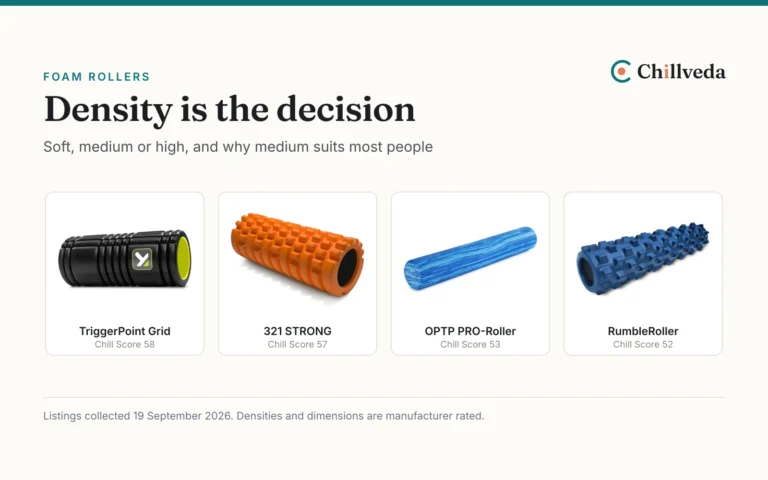
Comparisons
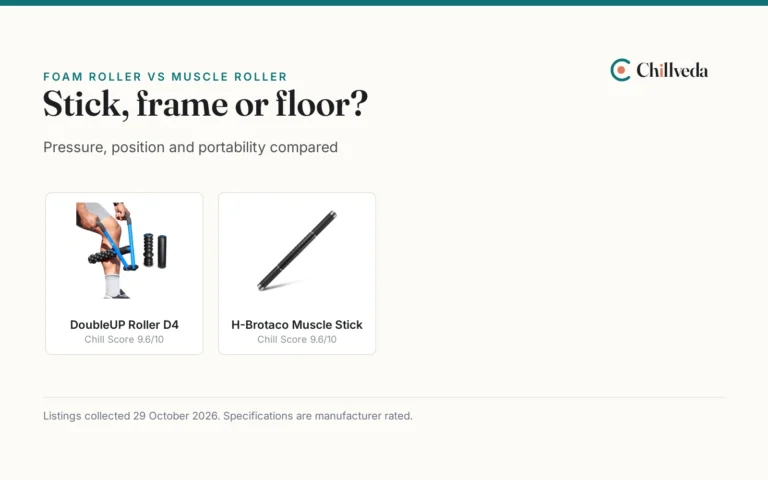
- Foam Roller vs Muscle Roller: Which One Should You Buy?
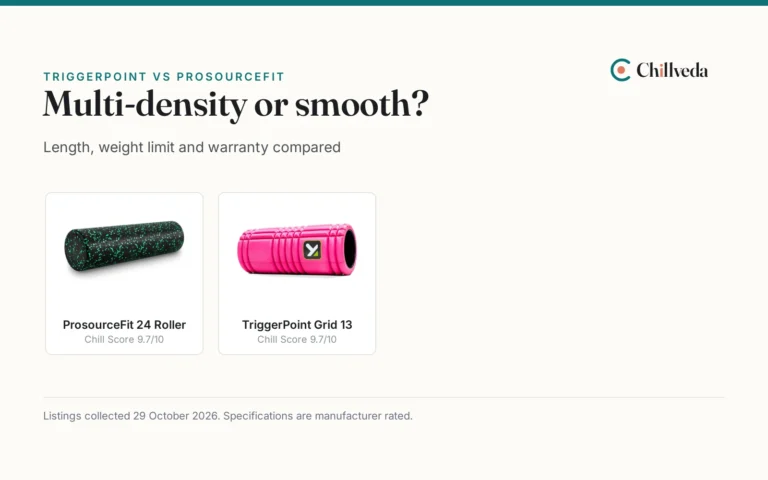
- Triggerpoint Grid vs Prosourcefit Foam Roller: Which One Should You Buy?
- Heated vs Unheated Foam Roller: Which One Should You Buy?
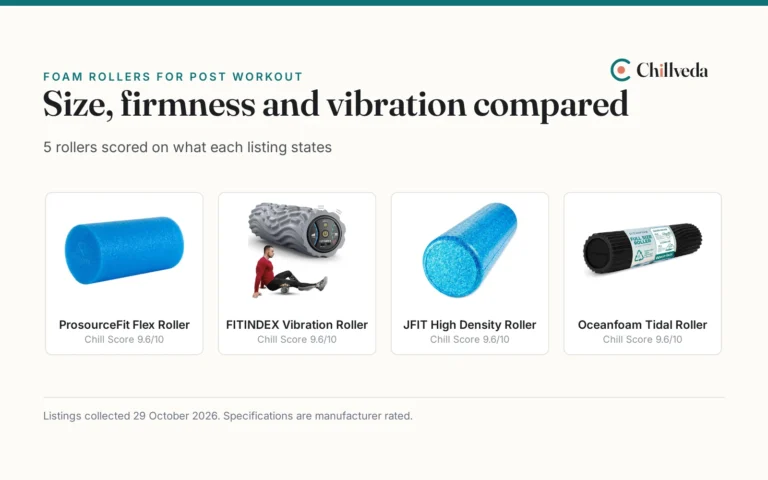
- Textured Foam Roller vs Vibrating Foam Roller: Which One Should You Buy?
- Heated Foam Roller vs Vibrating Foam Roller: Which One Should You Buy?
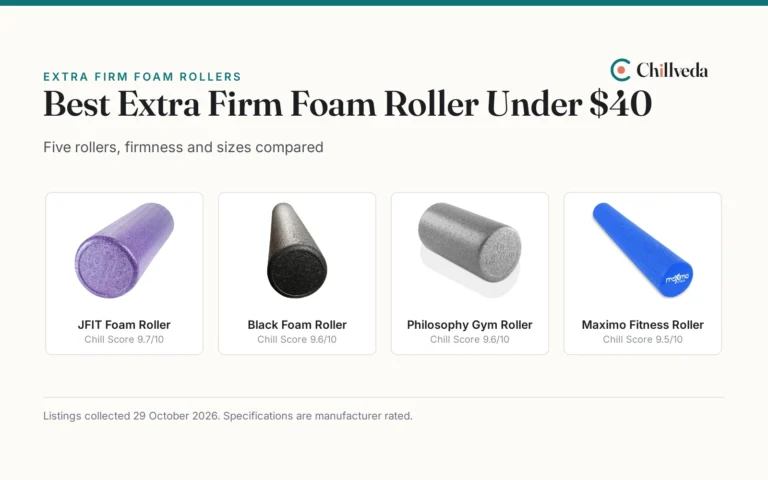
- Soft vs Firm Foam Roller: Which One Should You Buy?
All articles
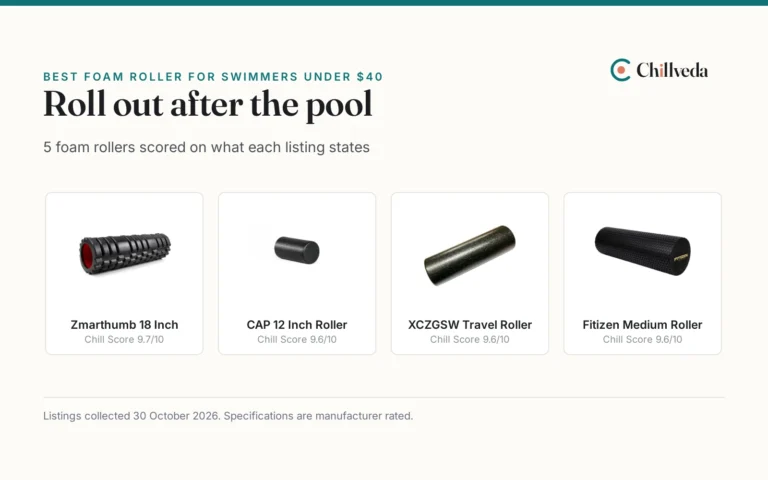
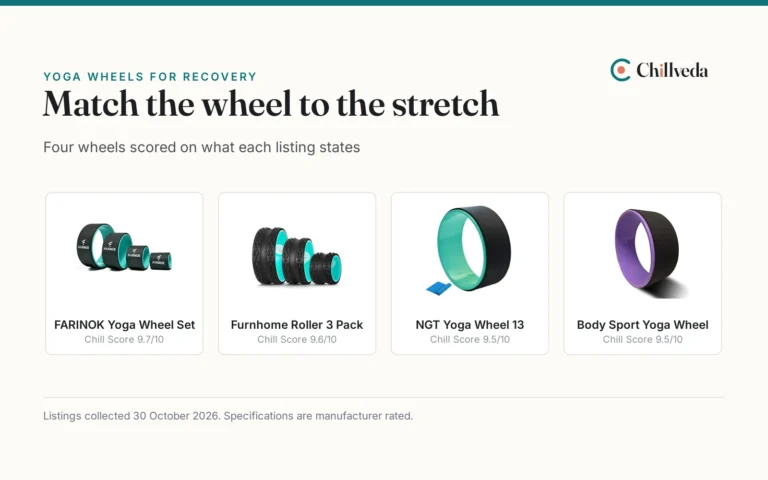
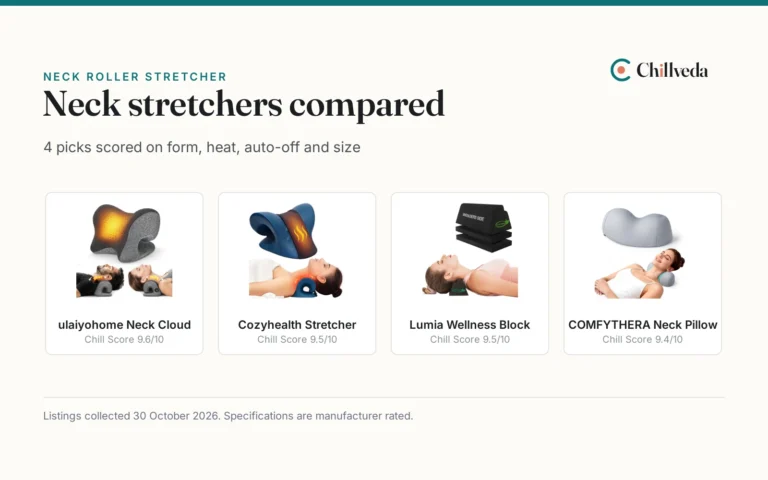
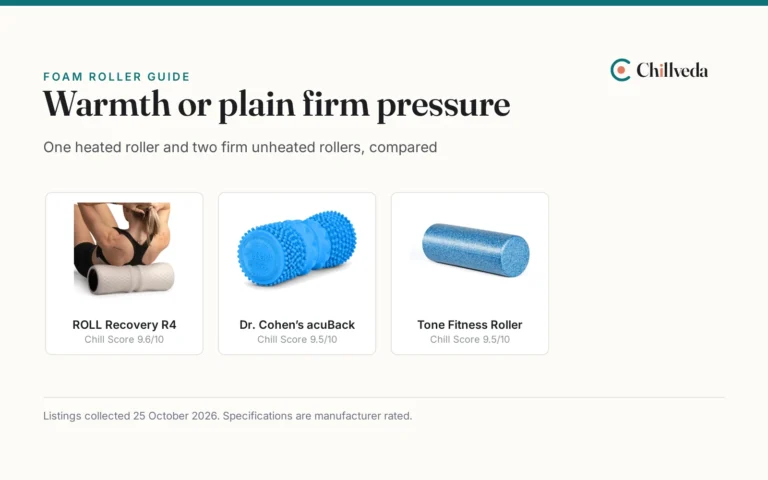
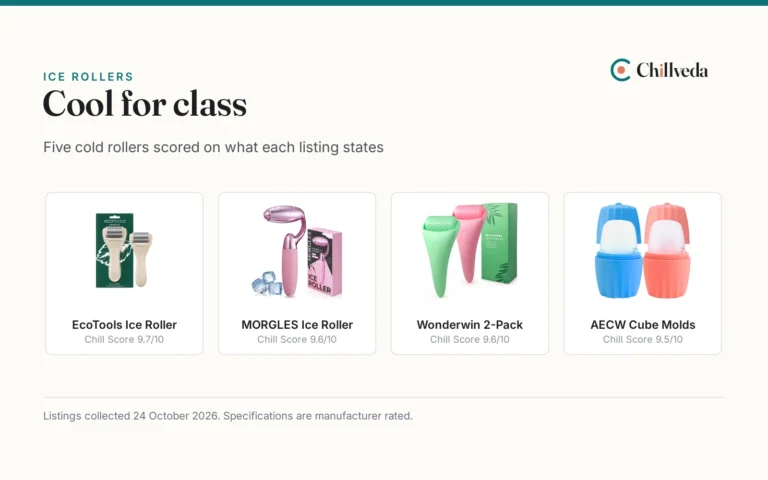
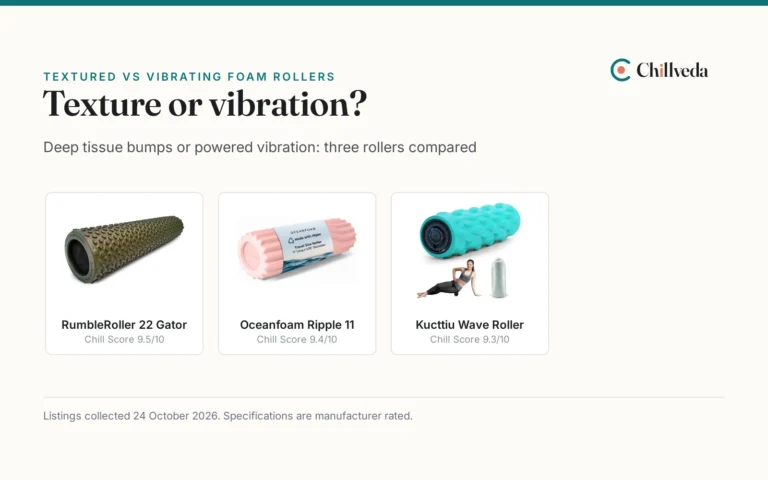
Foam Rollers and Accessories: a quick buyer's checklist
- Density. The maker states firmness, from soft to firm. Choose one you can use comfortably.
- Surface pattern. Smooth, ridged and knobbed surfaces feel different, and the listing describes the pattern.
- Length and diameter. Compare dimensions with your space and how you plan to store it.
- Core material. Hollow cores, foam and plastic differ in weight and wear. The listing names the material.
- Stated weight limit. Check the maker's weight rating before you buy.
- Care and storage. The maker may say how to clean the surface, and that affects how long the roller keeps its shape.
Simple rollers cost little, so check whether a more complex accessory adds enough to justify the difference. Follow the manufacturer's directions and our medical disclaimer. Differences between rollers are smaller than the marketing suggests. We compare density, dimensions and materials as the listing states them, and we point out when a premium design adds little to a simple roller. Compare two or three rollers on those points, and ask the seller when a size or material is missing from the listing.