Recovery Tools
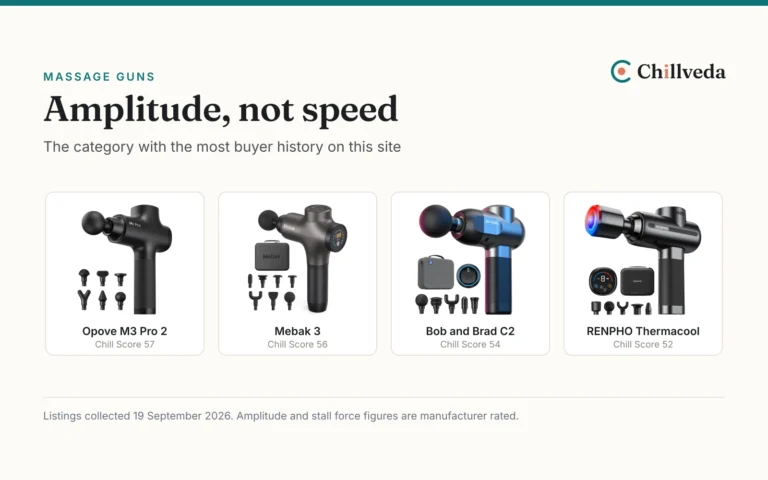
Reviews and buying guides for percussion and compression gear. We compare amplitude, manufacturer rated stall force, noise, battery life, and build quality, and note where each tool should not be used.
494 articles
Best in Recovery Tools

Comparisons
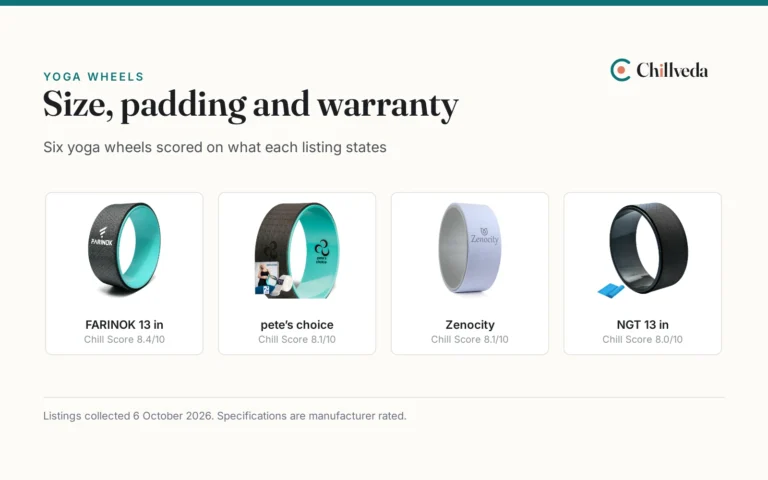
- Normatec Elite vs Recovery Air: Which One Should You Buy?
- Reusable Hot Cold Packs vs Hand Warmers: Which One Should You Buy?
- Knee Ice Machine vs Cold Therapy Machine: Which One Should You Buy?
- 20-30 Mmhg vs 30-40 Mmhg Compression Socks: Which One Should You Buy?
- Back Massager vs Massage Mat: Which One Should You Buy?
- Massage Gun vs Compression Sleeves: Which One Should You Buy?
All articles

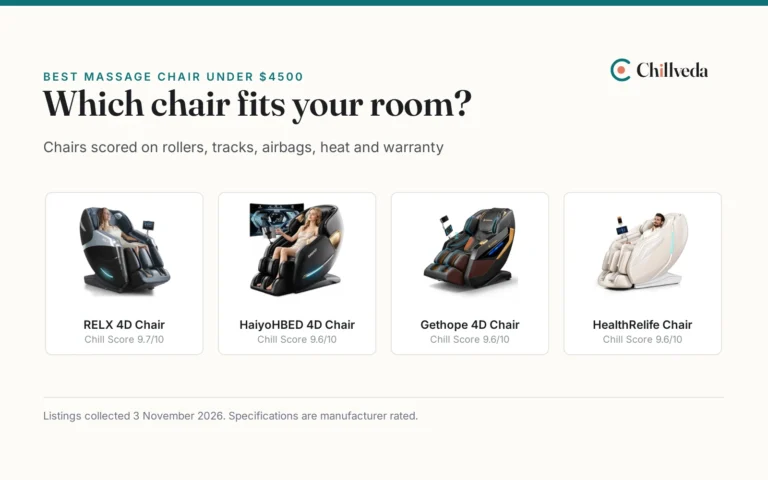
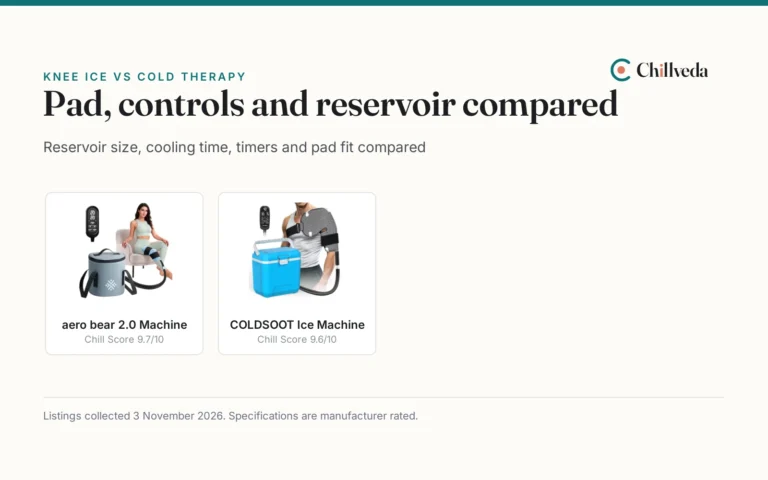
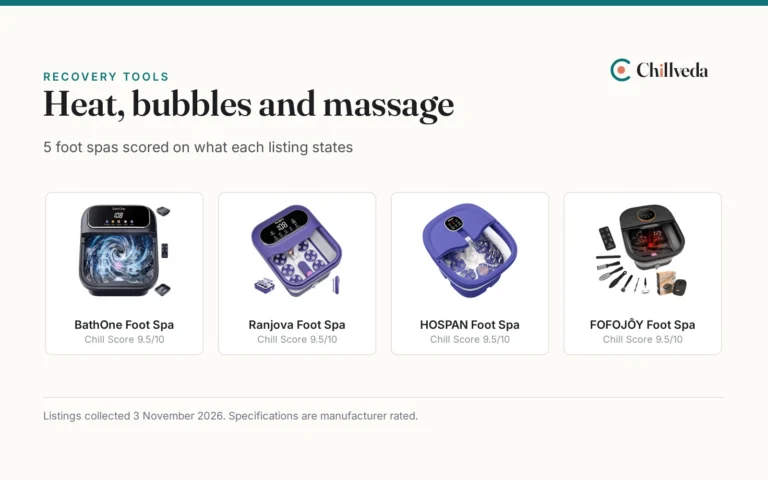
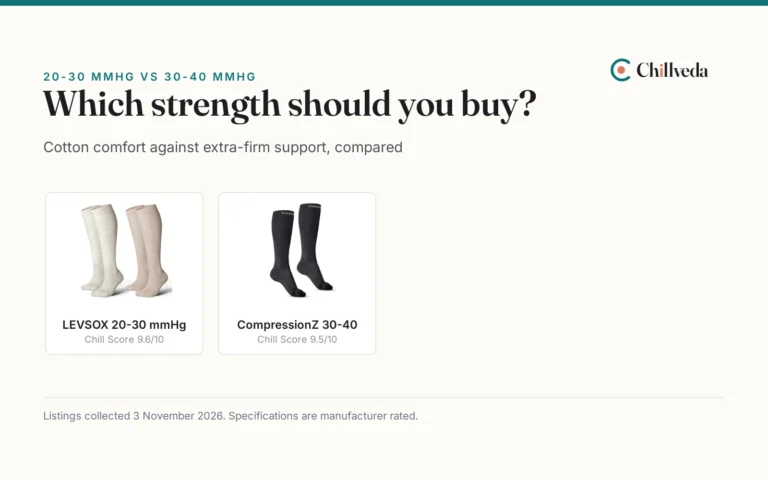
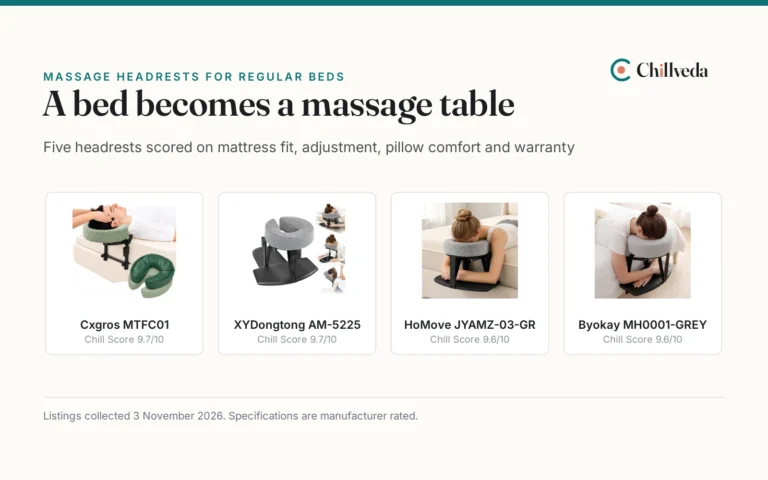
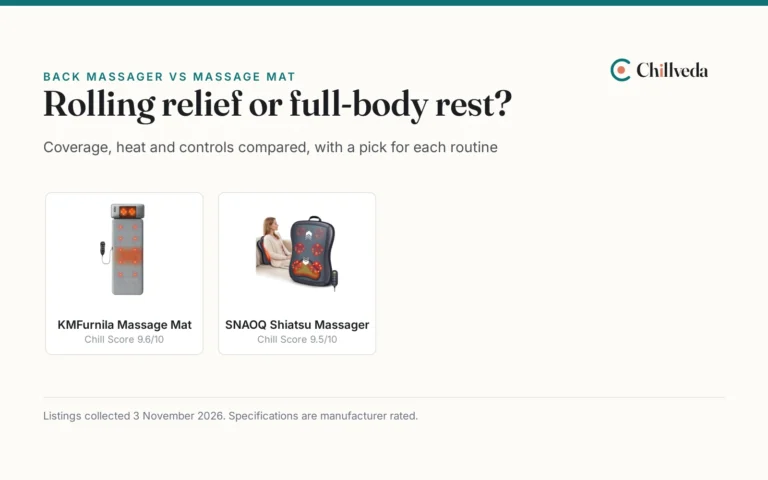
Recovery Tools: a quick buyer's checklist
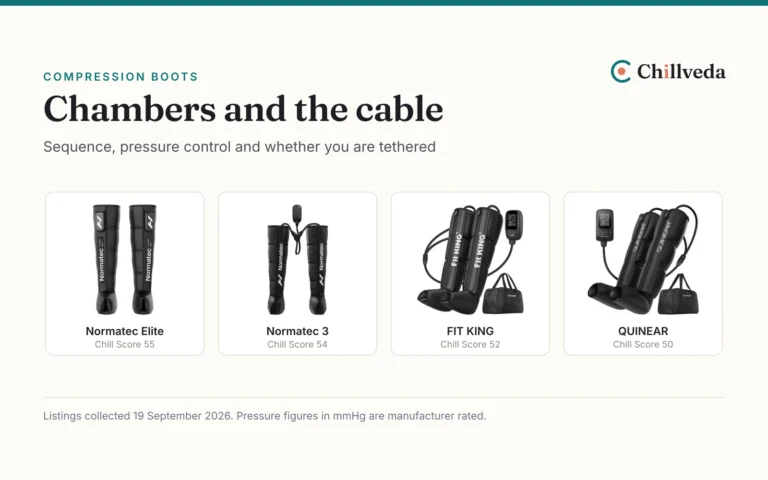
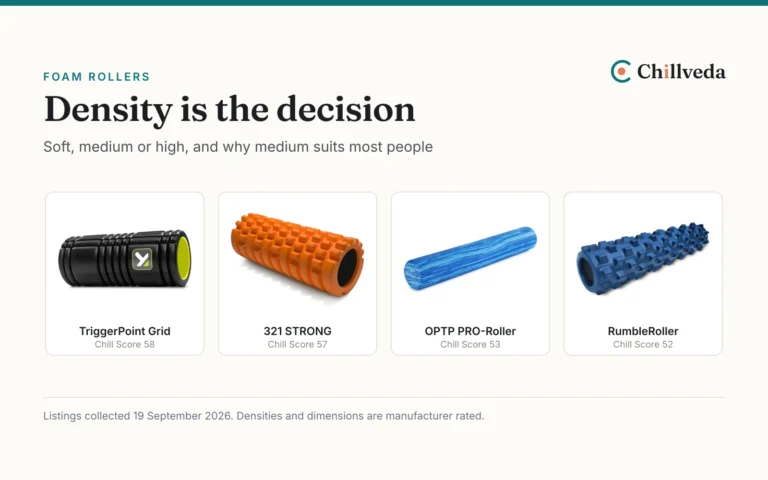
- Type of tool. Percussion devices, compression boots and rollers work differently. Decide which you want before comparing models.
- Rated specifications. Amplitude, speed and pressure range are manufacturer-rated figures. Compare them across models on the same basis.
- Battery and charging. Check the stated battery life and the charging port.
- Noise and weight. Look for any stated decibel figure and the weight if you will hold it for a while.
- Where not to use it. The manual lists areas and situations to avoid. Read it before you buy.
- Warranty. Note the stated term, since motors and pumps are the parts most likely to fail.
These are consumer devices, not medical equipment. Follow the manufacturer's directions and read our medical disclaimer. Recovery gear is sold on big claims, and we set those aside. Our comparisons stick to rated specifications, build and the cautions printed in the manual, and we label any number the maker publishes without a method as a brand claim. Compare two or three models side by side on those points, and ask the seller when a figure is missing from the listing.