


A foam roller is the least glamorous product on this site and, for most people, the best value in it. The rollers in this roundup carry between forty two thousand and six thousand customer reviews, they cost a fraction of anything else we cover, and several have been on sale essentially unchanged for a decade.
That combination is rare enough to be worth saying plainly: if you are new to recovery equipment, start here, not with a massage gun.
This article is informational and is not medical advice. Please read our Medical Disclaimer and speak to a clinician before using a roller if you have osteoporosis, a clotting disorder, take anticoagulants, or are working around an injury.
Our picks


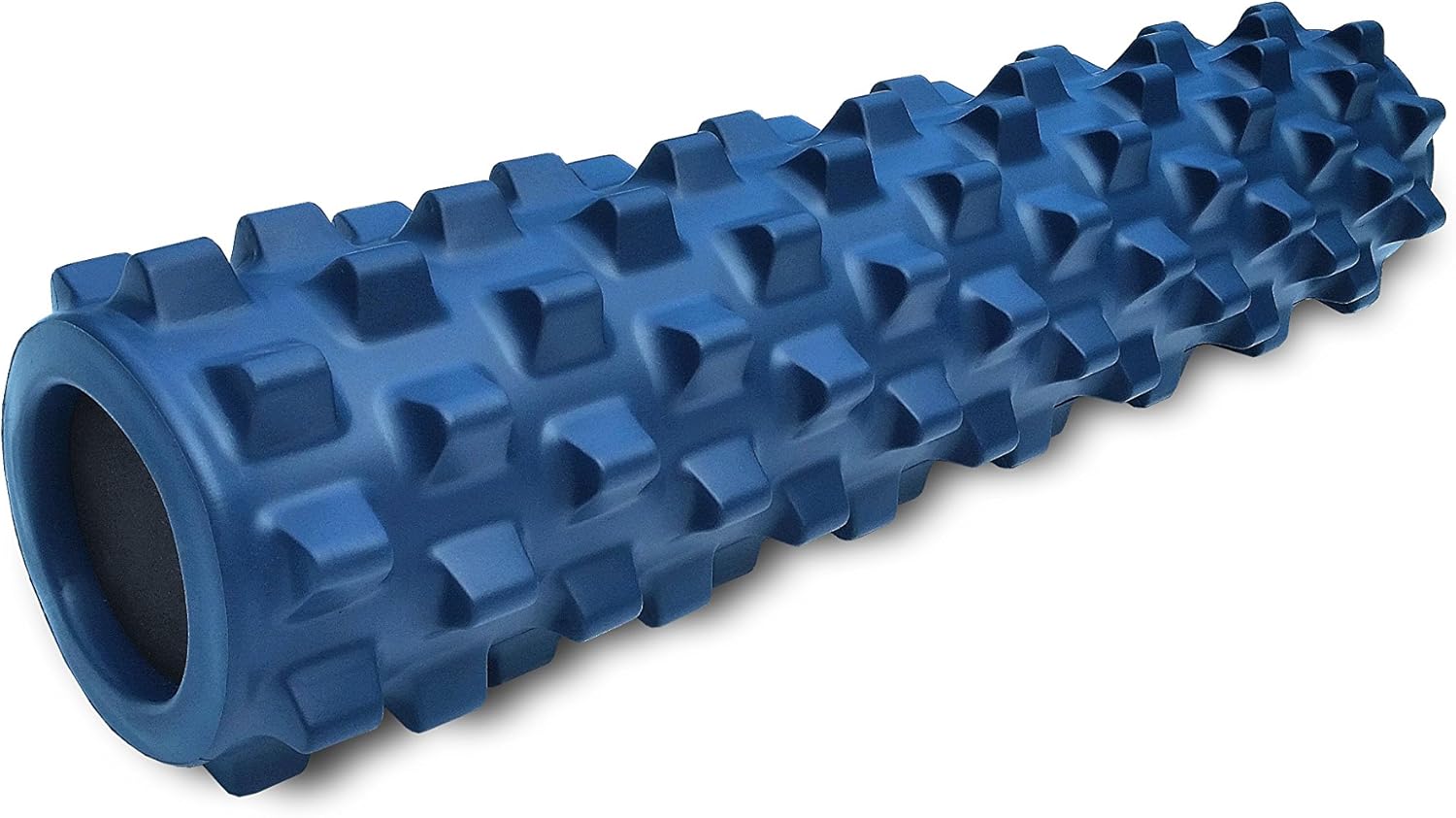


Density is the whole decision
Rollers come in soft, medium and high density, and the right one depends on you rather than on your training level.
Soft rollers like the OPTP PRO-Roller compress more under bodyweight. They are the right starting point if you are new to this, recovering from something, or find firm rollers simply too painful to use consistently. A roller you avoid does nothing.
Medium density, which covers the 321 STRONG and the TriggerPoint Grid, is where most people should land. Firm enough to be useful, forgiving enough to use regularly.
High density, including the ProsourceFit and the Amazon Basics, is a solid tube that does not give. Effective, cheap, durable, and genuinely uncomfortable for beginners.
The RumbleRoller sits outside this scale with aggressive raised knobs. It is a specialist tool, it is not a first roller, and people who like it like it a great deal.
Surface, length and what they change
Textured or smooth
A textured surface concentrates pressure into smaller contact points, which feels more intense at the same density. The TriggerPoint Grid and the 321 STRONG both use a multi zone pattern. A smooth high density tube spreads the load and is the gentler option at equal firmness.
Length
Thirty six inch rollers span your whole back and are stable for exercises lying along the spine. Thirteen inch rollers are portable, better for limbs, and less stable for back work. If you only buy one and have space, the longer one is more versatile.
Core and durability
Hollow rollers with a rigid core hold their shape far longer than solid foam under repeated bodyweight. Every roller in our picks with a very high review count uses one, which is not a coincidence. A roller that has flattened is a roller you replace.
Why these scores are the highest on the site
They are not, and that is worth explaining.
The Chill Score allocates fifteen points to safety certifications and fifteen to warranty. A foam roller has no electrical components, so a UL or ETL listing does not apply to it in the way it applies to a sauna heater, and the criterion still scores zero because there is nothing published.
We have kept the same weights rather than inventing a special scale for this category, because a score that changes definition per page is not a score. What lifts these products in the table is performance, build and value, where they do genuinely well, and several publish a warranty.
Read the score here as a comparison within this page, not against a sauna cabin.
Who should skip a foam roller
If you have osteoporosis or reduced bone density, rolling bodyweight over bone is not for you without medical guidance.
If you have a clotting disorder, take anticoagulants, or have varicose veins in the area, speak to a clinician first.
Do not roll directly over the spine, over an acute injury, over fresh bruising, or over a joint. Work the muscle either side instead.
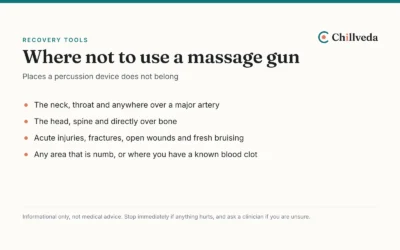
And if what you actually want is targeted percussion into a specific knot, a massage gun is the tool, though it comes with a longer list of cautions in our safety guide.
How to use one without hurting yourself
Move slowly. Rolling fast up and down a muscle achieves little and is how people bruise themselves.
Keep it to a minute or two per area, breathe, and stop if the sensation turns from pressure into sharp pain.
Support your bodyweight with your arms when you start, so you can control how much load goes through the roller. Dropping your full weight onto a high density roller on day one is the most common beginner mistake.
Common questions
Which density should I buy first?
Medium. It is useful immediately and you will not abandon it.
Is an expensive roller better than a cheap tube?
For durability and surface design, somewhat. For the basic job, a high density tube at a quarter of the price does most of it. This is the category where the cheap option is genuinely defensible.
How long do they last?
A hollow core roller used regularly should last years. Solid foam compresses and flattens, and the point at which it stops springing back is the point to replace it.
Sources: Specifications, warranty statements and customer review counts are as published on the retailer listings and were collected on 19 September 2026. Densities, dimensions and material descriptions are manufacturer rated.



Write Your Review
No reviews yet. Be the first to share your experience!