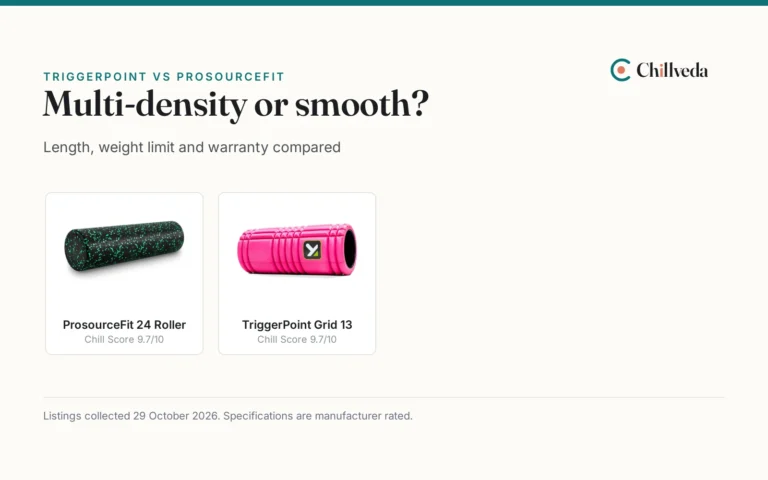
After a workout, the living room floor becomes the recovery spot, with a roller out beside the mat and a few quiet minutes to unwind. The triggerpoint grid vs prosourcefit foam roller choice comes down to surface and size: pick the Grid for a multi-density surface in a compact roller, and pick the ProsourceFit for a longer, smooth roller with a limited lifetime warranty. The Grid is listed as Extra Firm and the ProsourceFit as Firm, and the listings separate them on length, diameter, weight limit and warranty as well as firmness. Listings were collected 29 October 2026.
This article is informational and is not medical advice. Foam rolling should avoid the neck, spine and arteries, and skip areas with acute injuries. See our Medical Disclaimer.
Chillveda earns a commission when you buy through links on this page, at no extra cost to you. As an Amazon Associate I earn from qualifying purchases. Affiliate disclosure.
Quick picks
-
1
 ProsourceFit High Density Foam Rollers 24 Chill Score 9.7/10Check price on Amazon
A 24 inch high-density foam roller with a smooth EPP surface, a 300 lb weight capacity and a limited lifetime warranty.
-
2
 TRIGGERPOINT Performance Therapy Grid Foam Roller Chill Score 9.7/10Check price on Amazon
A 13 inch multi-density foam roller over a rigid, hollow core, with a 500 lb weight limit and a 1 year manufacturer warranty.

A 24 inch high-density foam roller with a smooth EPP surface, a 300 lb weight capacity and a limited lifetime warranty.
Pros & ConsViewHide
Pros
- High-density EPP that holds shape after regular use
- Water-resistant surface for easy maintenance
- Limited lifetime warranty
- Listing also names 36, 18 and 12 inch options
Cons
- Spec table lists Density as Low against a high-density title
- Spec table lists EPE Foam structure against an EPP material
- Maximum weight capacity is 300 lb, below the Grid listing at 500 lb
- Smooth surface, unlike the multi-density Grid listing
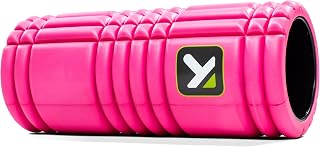
A 13 inch multi-density foam roller over a rigid, hollow core, with a 500 lb weight limit and a 1 year manufacturer warranty.
Pros & ConsViewHide
Pros
- Multi-density exterior over a rigid, hollow core
- 500 lb weight limit
- 1 year manufacturer warranty stated
- Free online instructional video library included
Cons
- 13 inch length is shorter than the 24 inch ProsourceFit listing
- No safety certification is stated
- Pink color only in this listing
- Only the roller is listed as included
More to compare
 Amazon Basics High Density Foam Roller for Exercise andCheck price on Amazon
 5 in 1 Foam Roller Set Trigger Point Exercise Foam RollerCheck price on Amazon
 Trigger Point Performance TriggerPoint GRID X Foam RollerCheck price on Amazon
 TONE Fitness Firm High-Density Foam Roller for ExerciseCheck price on Amazon
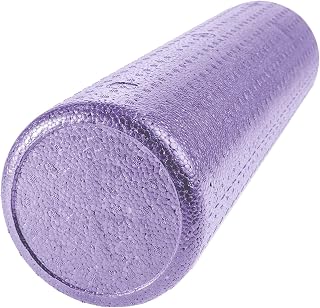 JFIT High Density Foam RollerCheck price on Amazon
 TRIGGERPOINT Performance Therapy Grid Patented Multi-DensityCheck price on Amazon
Triggerpoint Grid vs Prosourcefit Foam Roller at a Glance
| Detail | Triggerpoint Grid | ProsourceFit Roller |
|---|---|---|
| Length | 13 inches | 24 inches |
| Diameter | 5.5 inches | 6 inches |
| Weight limit | 500 lb | 300 lb |
| Surface | Multi-density | Smooth |
| Firmness | Extra Firm | Firm |
| Warranty | 1 year manufacturer warranty | Limited Lifetime Warranty |
Surface and density
The Grid listing describes a patented multi-density exterior constructed over a rigid, hollow core, made from ethylene vinyl acetate, listed as Extra Firm. Its bullets say the materials will not break down or lose shape from repeated use, and the listing includes access to a free online instructional video library. The ProsourceFit listing describes a high-density expanded polypropylene foam roller with a smooth texture and listed as Firm, made to support all body types without losing shape after regular use, and its surface is water-resistant for hygiene and easy maintenance.
Size and weight limit
Size is the clearest split between the sides. The Grid listing gives 13 x 5.5 inches with a 5.5 inch diameter and a 500 lb weight limit, while the ProsourceFit listing gives 6 x 6 x 24 inches with a 6 inch diameter and a maximum weight capacity of 300 lb. The ProsourceFit listing also names 36, 18 and 12 inch options alongside the 24 inch listing, so a longer or shorter roller stays within the same family. Each listing states its own product weight in its own unit, 1.1 pounds for the Grid and 11.2 ounces for the ProsourceFit, and those figures are not directly comparable without a conversion the listings do not state.
Gear for each side
| Product | Chill Score | Perf. /35 | Build /25 | Value /25 | Safety /10 | Warranty /5 |
|---|---|---|---|---|---|---|
| ProsourceFit 24 Roller | 9.7 | 29 | 21 | 21 | n/a | 4 |
| TriggerPoint Grid 13 | 9.7 | 30 | 21 | 20 | n/a | 3 |
Scores run from 9.2 to 9.8: each product’s point total is placed on that range, so more points always means a higher score. Safety counts only for powered gear or where the listing states safety features; where it does not apply, the score is taken over the remaining 90 points.
Choose the Grid if
Pick the Grid side for a multi-density surface over a rigid core, an Extra Firm firmness, and a 500 lb weight limit in a compact 13 inch roller. It suits a smaller floor space.
Choose the ProsourceFit if
Pick the ProsourceFit side for a longer 24 inch roller with a smooth surface, a water-resistant EPP build, and a limited lifetime warranty. It suits a longer roller for back and leg work and a household that wants limited lifetime warranty cover.
Check Your Space First
- Floor space: the ProsourceFit listing is 24 inches long against 13 inches for the Grid, so measure the spot beside the mat before choosing.
- Storage: the Grid listing weighs 1.1 pounds and the ProsourceFit listing weighs 11.2 ounces, each in its own listed unit.
- Diameter: 5.5 inches for the Grid and 6 inches for the ProsourceFit, worth checking against a narrow storage gap.
- Power: neither listing states a power requirement, so no outlet planning is needed for either side.
Common questions
Which roller is longer?
The ProsourceFit listing is 24 inches long, against 13 inches for the Grid listing. Both figures come from their own listings, so the length gap is a stated difference, not an estimate. The ProsourceFit listing is longer, so it spans more length than the Grid listing, while the shorter roller fits a smaller space.
Which roller holds more weight?
The Grid listing states a 500 lb weight limit, against a maximum weight capacity of 300 lb for the ProsourceFit listing. Both limits are stated clearly, so this is a fair head-to-head difference. Check the limit against the heaviest user before choosing.
Do foam rollers need power?
No power requirement is stated for either listing here, and neither roller lists a motor or a plug. Power planning does not apply to either side here.
Which warranty is longer?
The ProsourceFit listing states a limited lifetime warranty, against a 1 year manufacturer warranty for the Grid listing. The limited lifetime term states no end date, while the Grid term is 1 year, so the ProsourceFit cover reads as the longer of the pair. Warranty length alone does not decide the pick, since surface and size matter as much.
Is the ProsourceFit roller really high density?
Its title and bullets say high density, but its spec table lists Density as Low and its structure as EPE Foam against an expanded polypropylene material. The title and bullets win that reading, so the roller is presented here as high density, while the listing itself leaves the density figure unclear. Worth checking with the maker if density is the deciding factor.
Back to all foam roller reviews.