


Compression boots are the most expensive item in the recovery tools category and the one with the widest gap between the cheap end and the professional end. A four hundred dollar difference between two systems that look similar in photographs usually comes down to three things: chamber count, pressure control, and whether you are tethered to a mains unit.
Here is what actually separates them.
This article is informational and is not medical advice. Pneumatic compression is not appropriate for everyone. Please read our Medical Disclaimer and speak to a clinician before using compression boots if you have any circulatory condition, a clotting disorder, or take anticoagulant medication.
Our picks


The three things that decide this purchase
1. Chamber count and sequence
A boot with more chambers inflates in a finer sequence from foot to thigh, which is what makes the compression feel like a wave rather than a squeeze. Four chambers is the common consumer configuration and the Hyperice Normatec systems here state their sequential approach explicitly.
Cheaper systems with two or three chambers still work. They just feel blunter, and the difference is noticeable within one session.
2. Wireless or tethered
Most systems run from a mains powered pump connected by a hose. The Normatec Elite in our picks is wireless with battery units on the boots themselves, which is the single biggest usability difference in this category.
Tethered is fine if you use them in one place. If you want to walk to the kitchen mid session, or use them somewhere without an outlet, wireless is the reason to pay more.
3. Pressure range and control
Look for a stated pressure range in mmHg and how finely you can set it. A system with three preset levels is a different tool from one with granular control per zone. Manufacturer stated pressure figures have no common measurement method behind them, so treat them as ratings rather than measurements.
Heat, and whether you want it
Several of the less expensive systems here add heat. It is pleasant, it adds cost and weight, and it is a separate thing from compression. If your reason for buying is recovery after training, prioritise the compression specification. If your reason is comfort and circulation while sitting, heat may be the feature you actually wanted.
Sizing, the thing people get wrong
These are garments. A boot that does not fit your calf circumference or your inseam will either not seal or will be uncomfortable at pressure, and neither is fixable afterwards.
Every brand publishes a size chart, most buyers do not read it, and it is the most common cause of a return in this category. Measure before you order.
Why the scores sit where they do
The Chill Score weighs performance 30, build 20, value 20, safety certifications 15 and warranty 15.
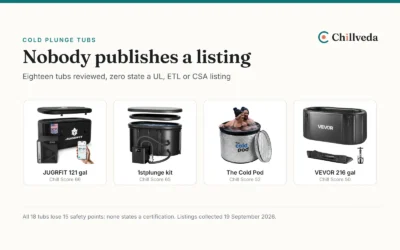
No system in this category states a UL, ETL or CSA listing on its retailer listing, so every one loses fifteen points. These are mains powered pumps, which makes that absence more notable than in a battery powered category.
Warranty disclosure is similarly thin. The separation in our table comes from chamber count, pressure control, wireless operation and buyer history, which is all the published data supports.
Who should not buy these
This is the clearest contraindication list on our site. Do not use pneumatic compression without speaking to a clinician first if you have or suspect deep vein thrombosis, have a clotting disorder, take anticoagulants, have peripheral artery disease, have an open wound or infection on the leg, have heart failure, or are pregnant.
Compression moves blood. Where that is a problem for you, so is the device, and no amount of specification comparison changes that.
Beyond the medical: if you train once or twice a week, these are a luxury rather than a recovery necessity, and a foam roller plus a walk does more for the money.
Safety in use
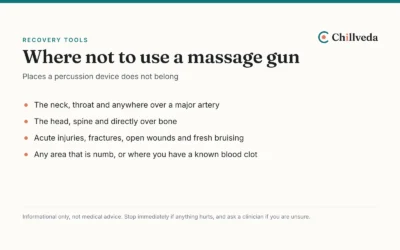
Start at the lowest pressure setting and work up over sessions. Stop immediately if you feel numbness, tingling, pain, or pins and needles that does not resolve when the cycle releases. Do not use them over an acute injury, a fracture, a skin infection, or an area of reduced sensation.
Keep sessions to the manufacturer’s stated duration. Longer is not better here and prolonged compression is its own risk.
Common questions
How long is a session?
Manufacturer guidance generally falls between fifteen and thirty minutes. Follow the manual for the specific system.
Do I need four chambers?
You will feel the difference against two or three. Whether that is worth the price gap depends on how often you will genuinely use them.
Are the professional brands worth the premium?
For wireless operation and build, sometimes. For the compression itself, the gap is narrower than the price. The consumer systems in our picks carry far more buyer history than the premium ones, which is worth weighing.
Can I use them every day?
Most makers say yes within their stated session limits, but if you are using them to manage a medical condition rather than for post training comfort, that is a conversation for your doctor and not for a product page.
Sources: Specifications, warranty statements and customer review counts are as published on the retailer listings and were collected on 19 September 2026. Chamber counts, pressure ranges and battery figures are manufacturer rated.



Write Your Review
No reviews yet. Be the first to share your experience!